
Aloe Vera: Composition and Benefits

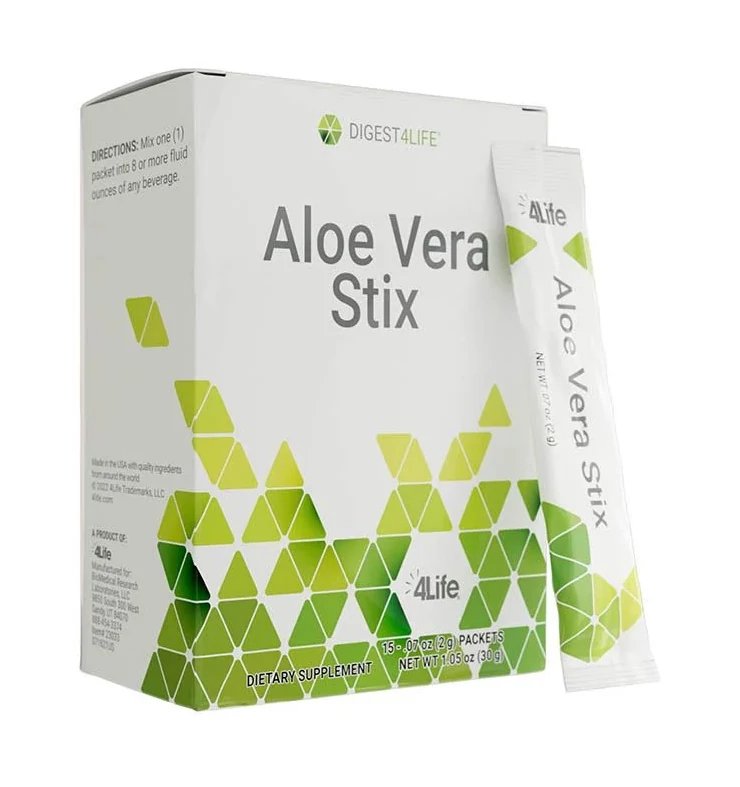
Aloe Vera is a plant known for its many medicinal properties and health benefits. It is often used in cosmetics, skin care products and food supplements due to its moisturizing, anti-inflammatory and healing characteristics.
 Composition of Aloe Vera
Active Compounds:
Luban de Aloe (Aloína): An anthraquinone compound that possesses laxative properties, although its use should be moderate due to its potentially irritating effects on the digestive tract.
Aloe-emodin: Another anthraquinone compound that has antioxidant properties and may contribute to general well-being.
Vitamins:
Vitamins A, C and E: These vitamins are known for their antioxidant properties and their role in protecting cells from oxidative damage.
B Complex Vitamins: Includes thiamine, riboflavin, niacin, pyridoxine and folic acid, which are important for energy metabolism and nervous system function.
Minerals:
Essential Minerals: Aloe Vera is a rich source of minerals such as zinc, calcium, magnesium and selenium, which are essential for numerous biological processes and the healthy functioning of the body.
Amino acids:
Essential and Non-Essential Amino Acids: Contains several amino acids that are the building blocks of proteins and are crucial for cell repair and growth.
Polysaccharides:
Acemannan: A polysaccharide that has been studied for its immunomodulatory properties and its ability to promote intestinal health. It is one of the most beneficial compounds in Aloe Vera.
Enzymes:
Digestive Enzymes: Aloe Vera contains enzymes that can help with digestion and the breakdown of sugars and fats.
Water:
Water Content: The water content in Aloe Vera gel is high, which provides moisturizing and refreshing properties.
 Benefits of Aloe Vera
Skin Hydration: Aloe Vera is known for its moisturizing properties. It is commonly used in skin care products to lock in hydration and improve elasticity, which can lead to softer, more supple skin.
Anti-inflammatory Properties: The anti-inflammatory compounds in Aloe Vera help soothe irritated skin and reduce inflammation, making it a popular remedy for burns, cuts, and other skin injuries.
Increased Digestive Health: Aloe Vera can help improve digestion and act as a mild laxative. Its anti-inflammatory properties can reduce irritation of the digestive tract and relieve disorders such as irritable bowel syndrome.
Immune Support: Aloe Vera polysaccharides, such as acemannan, have been shown to have properties that stimulate the immune system, helping the body fight infections.
Antioxidant Effect: With its content of vitamins and antioxidant compounds, Aloe Vera helps neutralize free radicals, which can prevent cell damage and reduce the risk of chronic diseases.
Oral Care: Aloe Vera can be beneficial for oral health, helping to reduce gum inflammation and fight oral bacteria that cause dental problems.
Convenience in Use: Aloe Vera can be consumed in gel, juice or supplement form, allowing for easy integration into daily diet and personal care.
 Method of use for Aloe Vera